
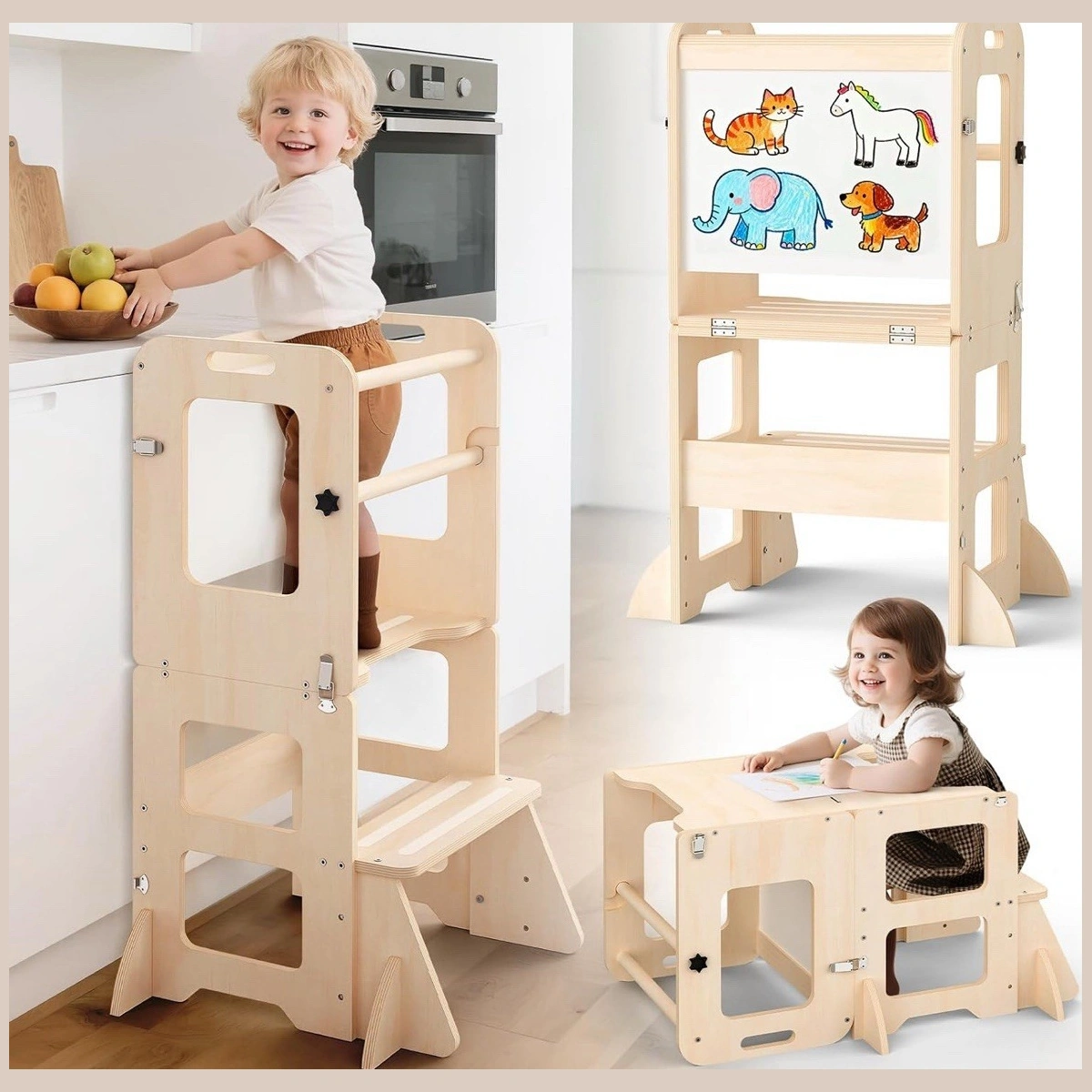
Tower-to-Table Model
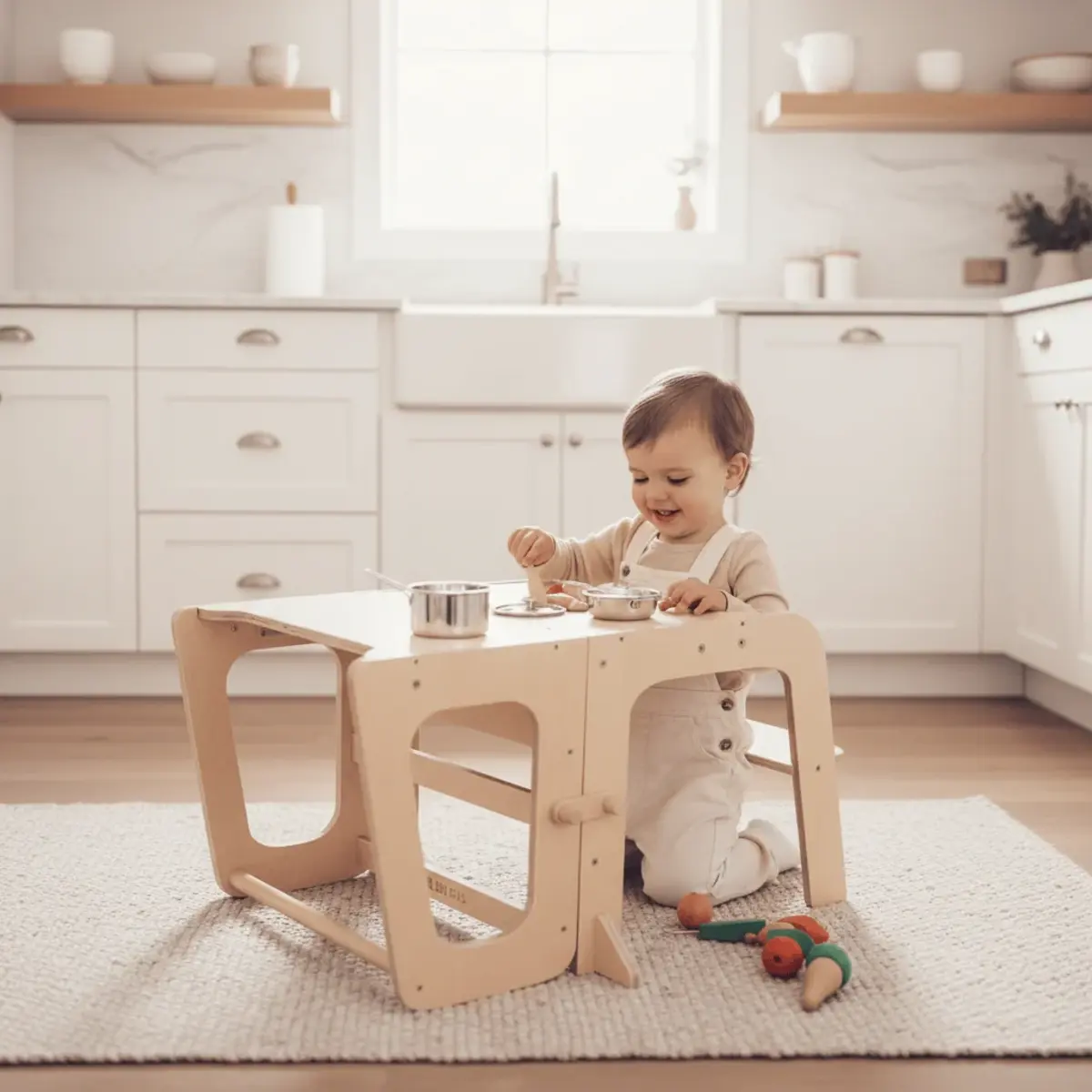
A vertical kitchen helper that reconfigures into a low activity table arrangement.
- Tower and table positions
- Model-specific pivot points
- Sample mode verification
Multi-use wooden learning towers built around real conversion modes, model-specific mechanisms and controlled hardware. KIVARO supports DFM, prototype development, sample validation and private-label production for wholesale buyers.
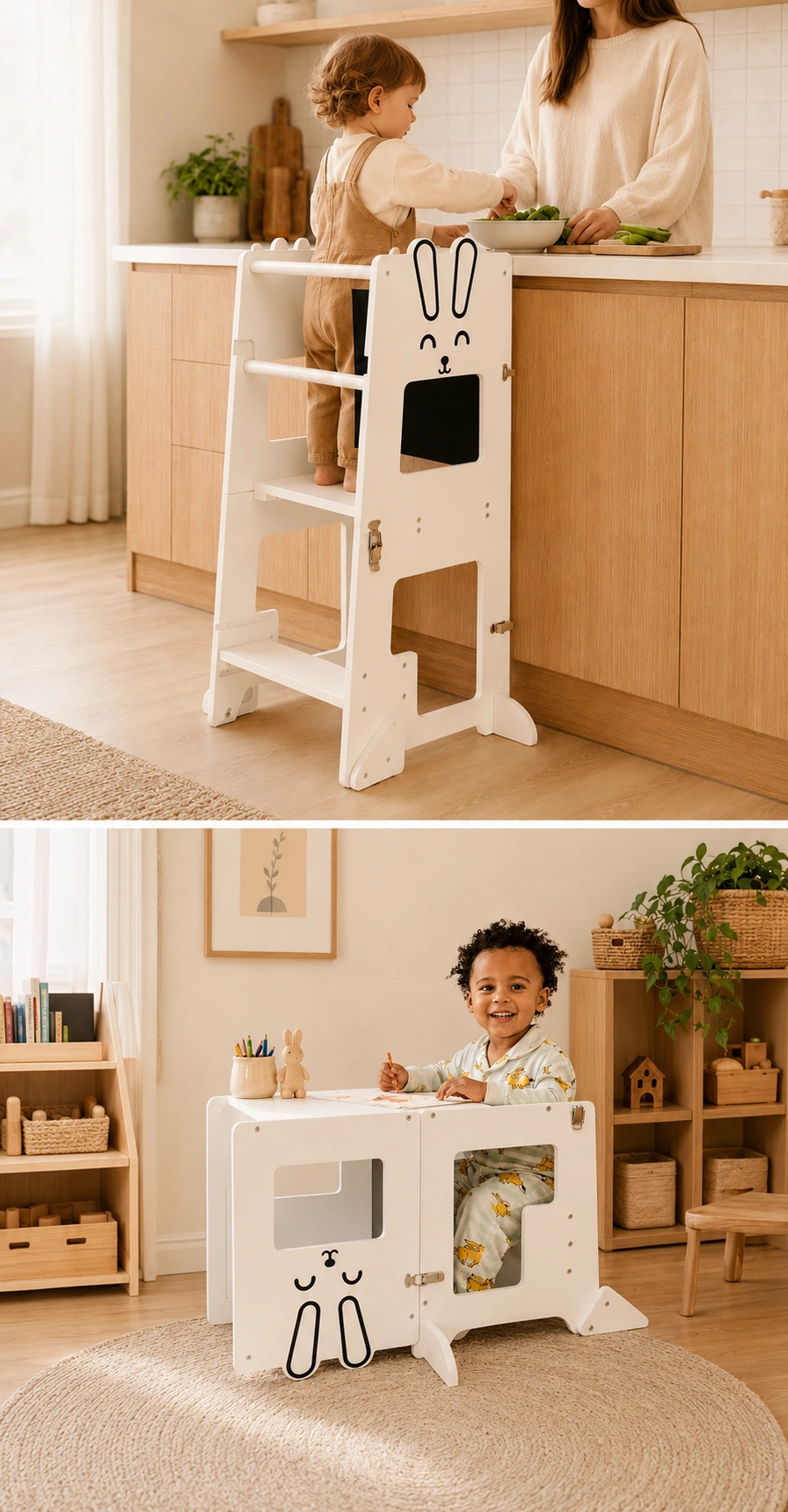
A convertible learning tower must perform correctly in every mode claimed for that model. Current KIVARO options include tower-to-table, tower-to-seat and activity-surface configurations, but the available modes differ between structures.
The engineering review covers pivot positions, removable or reversible panels, fasteners, locking points, standing footprint and instructions. A claim is included only after the selected structure and sample confirm that function.
Review DFM and OEM/ODM development or send drawings and required conversion modes for technical assessment.
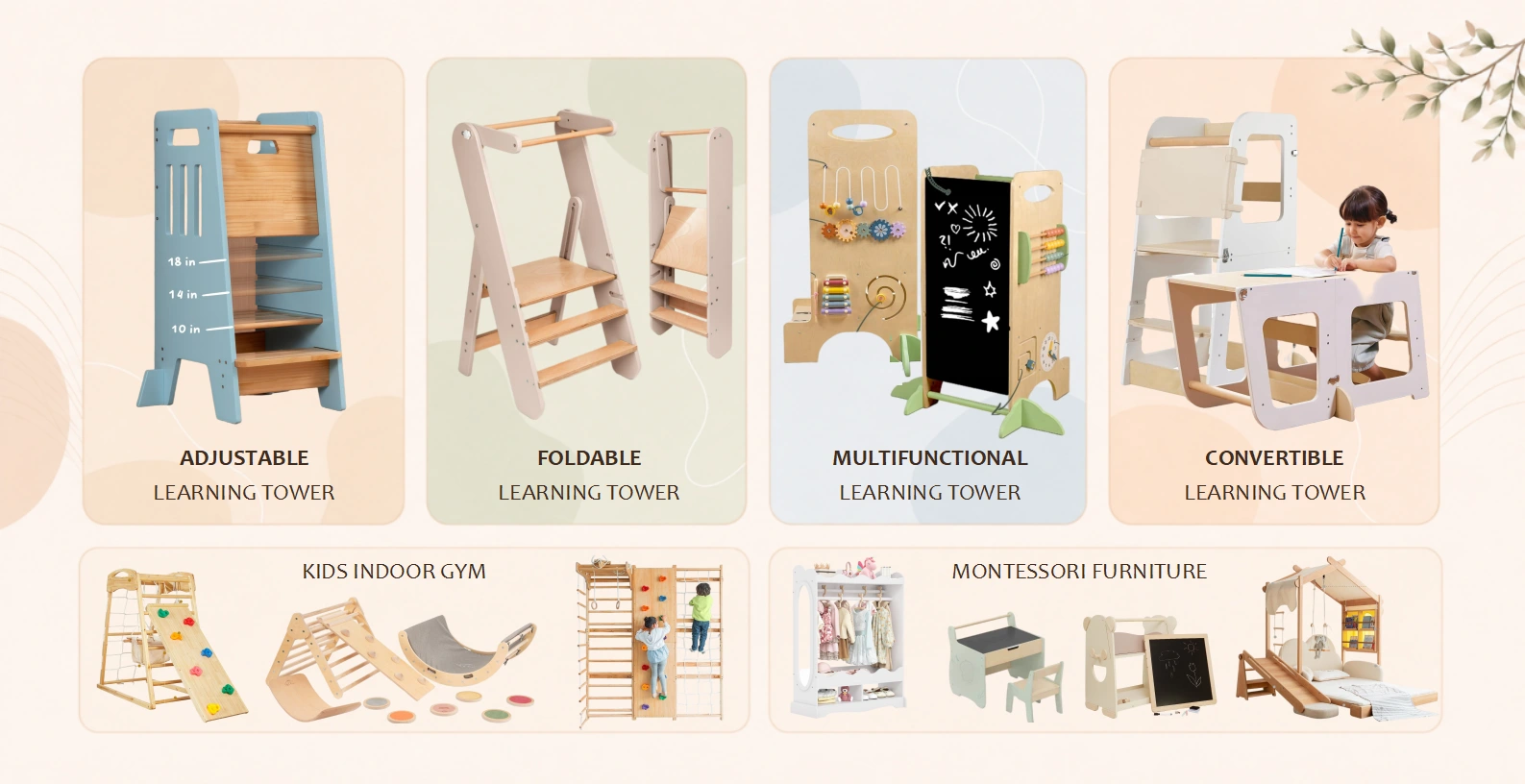
Use these category pages to compare structure, functions, customization scope and packaging priorities before requesting a model quotation.
Platform height options for growth-stage positioning and core retail programs.
02Folding frames for compact storage, practical cartons and distribution planning.
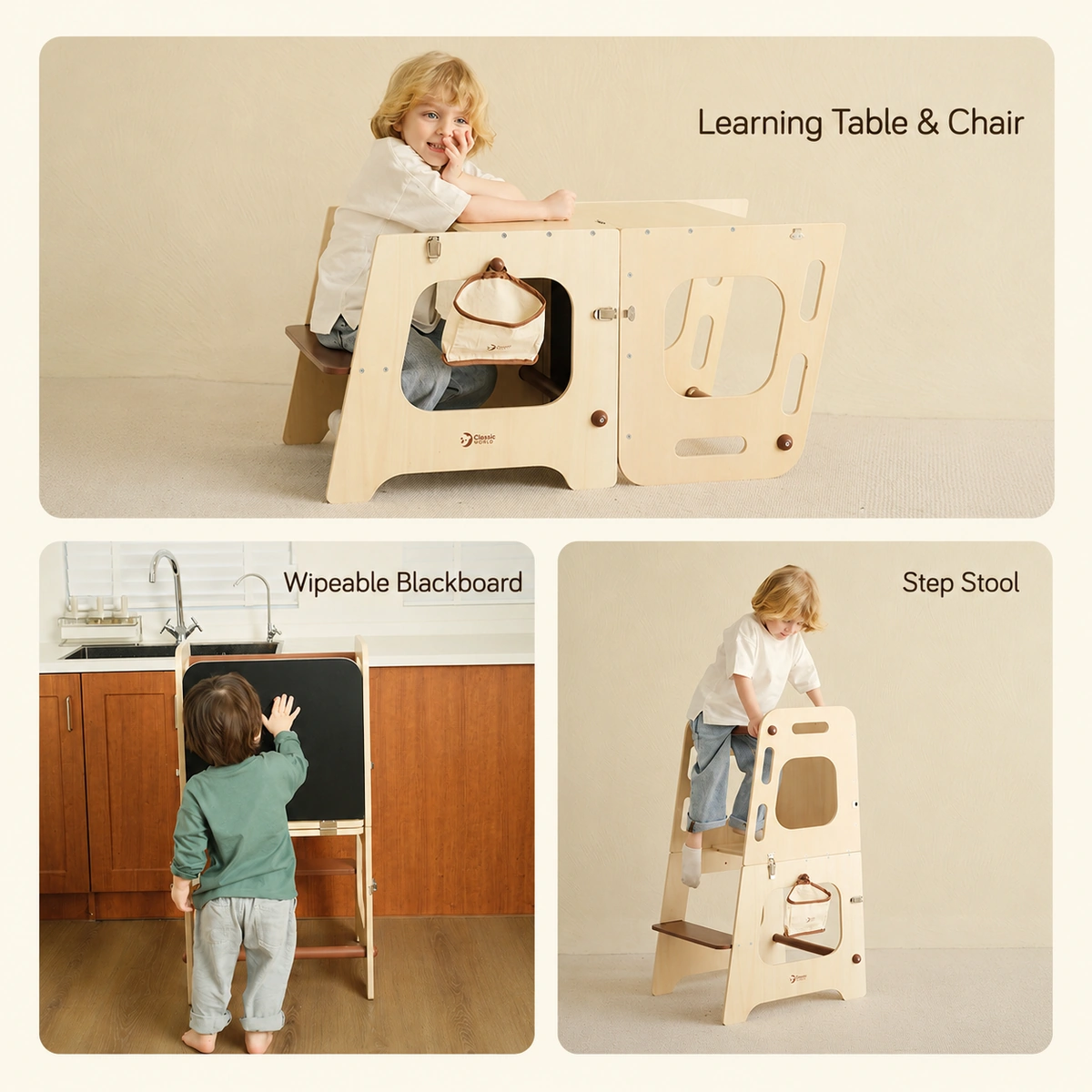
03Verified tower-to-table, seat or activity modes on model-specific structures.
04Accessory-ready towers for busy boards, guards and private-label bundles.
Each model below uses a different structural route. Conversion modes must be confirmed against the exact product selected for the project.
A vertical kitchen helper that reconfigures into a low activity table arrangement.
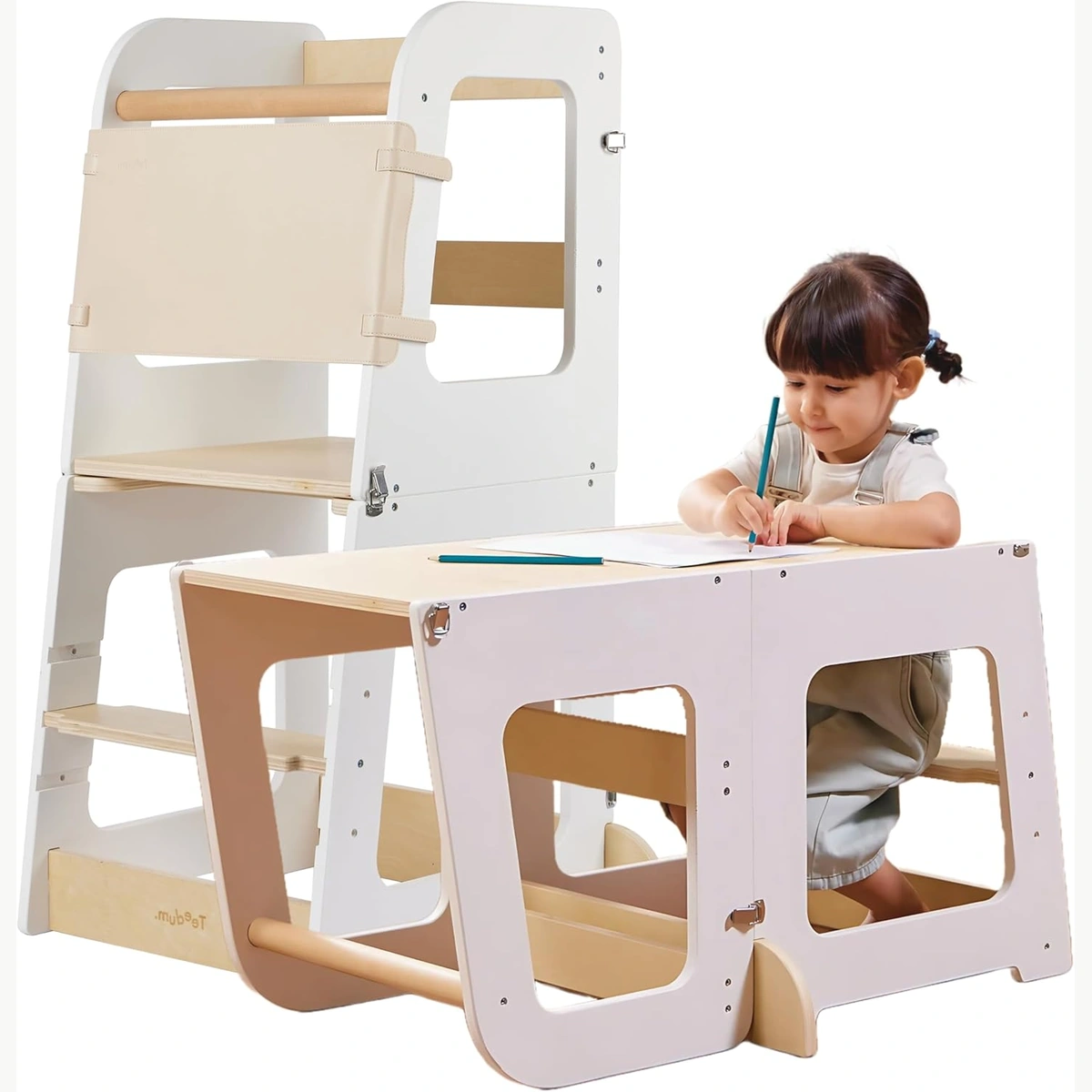
A side-frame structure designed to rotate between standing-tower and table use.
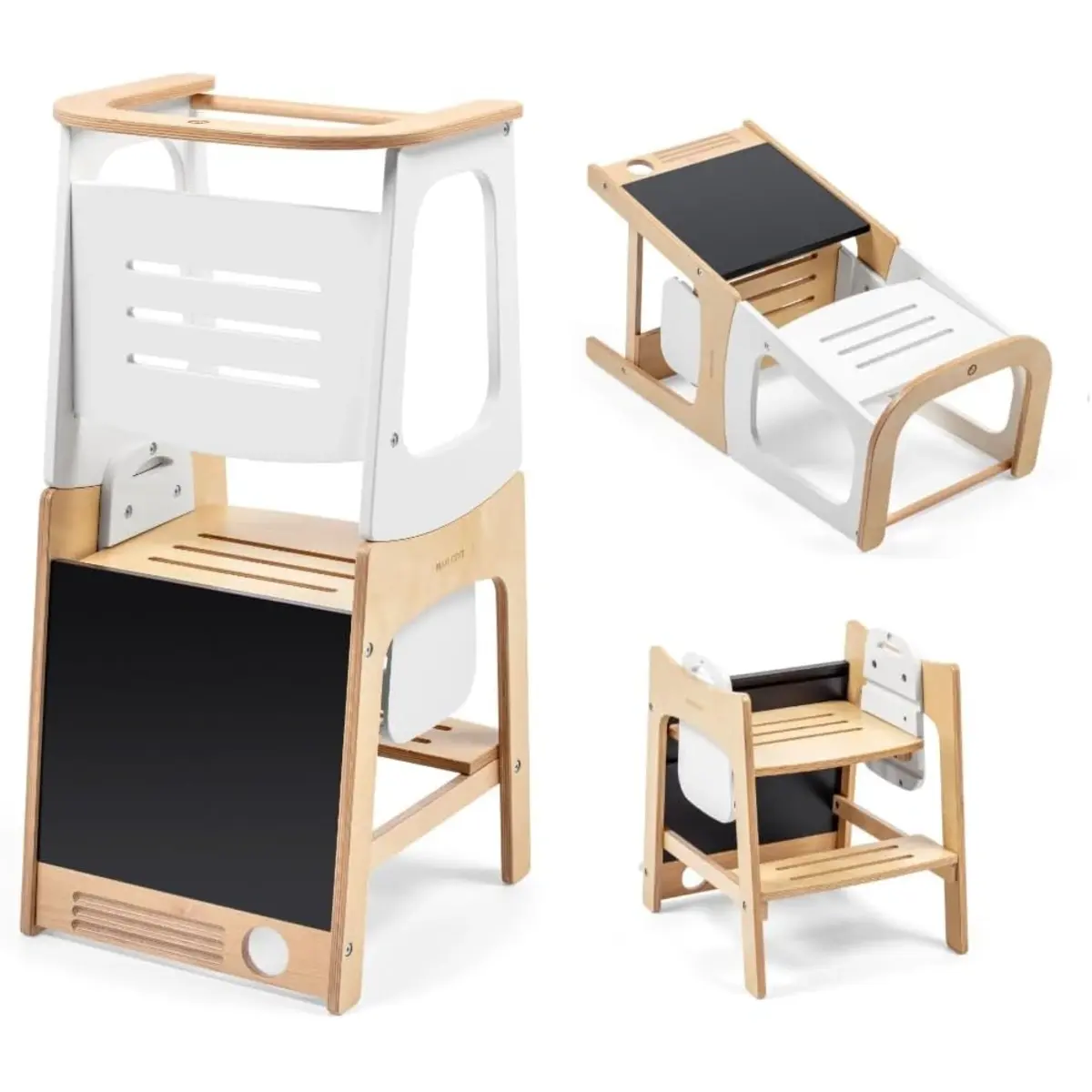
A multi-use structure combining tower use with selected play or seating functions.
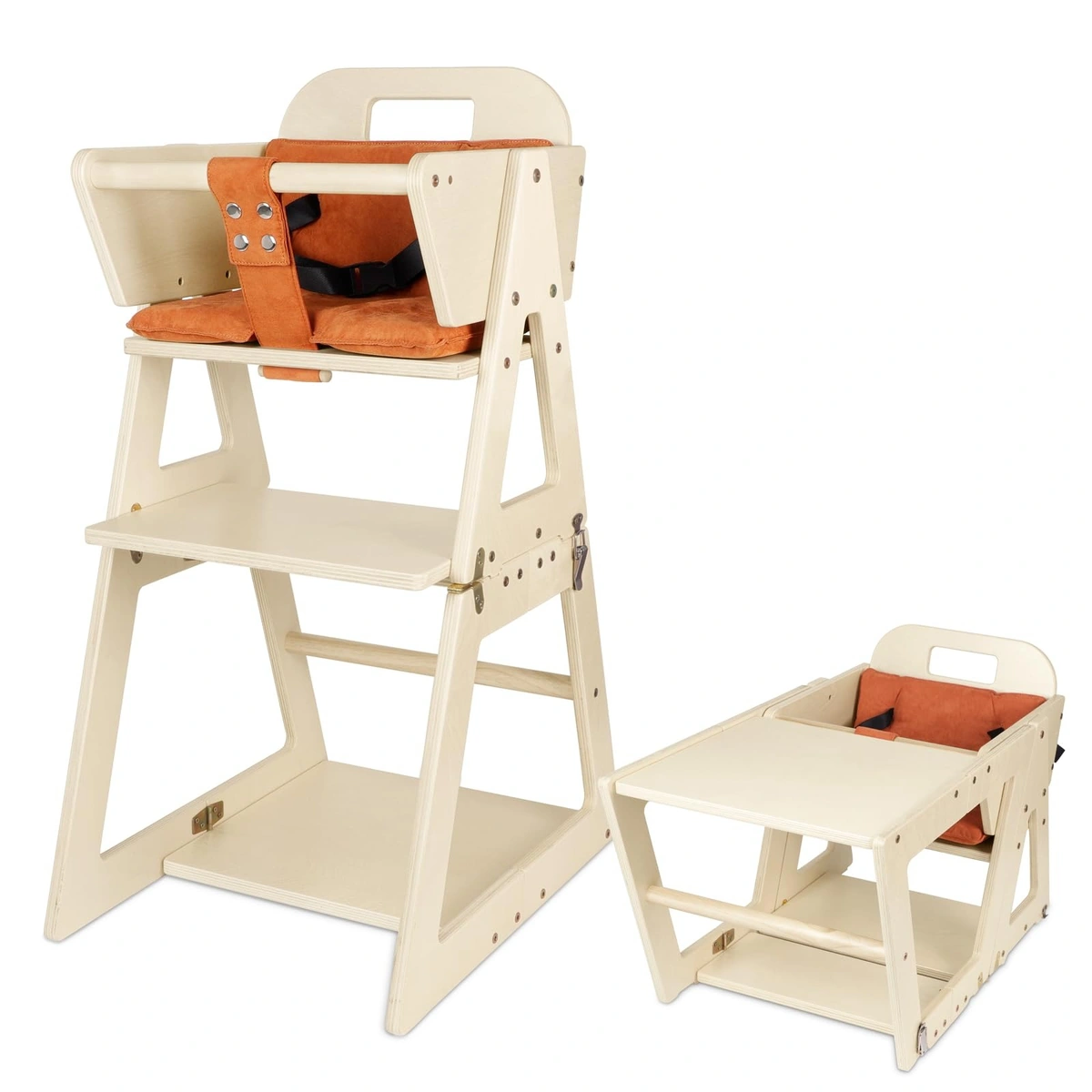
A configurable structure that creates a child-height seat or table arrangement on the approved model.
One SKU can communicate more than one approved use mode without relying on unsupported claims.
Pivot locations, reversible parts and locking details are treated as structural components.
Buyer drawings and target functions are reviewed for manufacturability before final sampling.
Stability, fit, conversion sequence and hardware are confirmed on the physical sample.
The final specification must list the exact modes supported by the selected structure. Modes are not interchangeable between all models.
| Primary Material | Birch plywood; solid wood rails or other approved components may be used by model. |
|---|---|
| Reference Tower Size | Approximately 400 × 400 × 880 mm on current models; final dimensions vary by structure. |
| Supported Modes | Tower plus table, seat, chalkboard or activity configuration, according to the selected model. |
| Conversion Mechanism | Pivoting side frames, reversible panels or model-specific removable components. |
| Hardware Scope | Fasteners, pivots, locking parts and assembly hardware defined by the approved design. |
| Platform Adjustment | Available on selected models only; exact level count is confirmed before quotation. |
| Typical MOQ | 50–100 pieces, depending on structure, hardware, finish and packaging complexity. |
| Bulk Lead Time | Typically 30–45 days after sample, specification and order confirmation. |
| Development Route | Current model customization or drawing-based DFM, prototype and sample development. |
Dimensions, functions, safety claims, test standards, MOQ and lead time must be confirmed for the selected model and destination market.
Convertible projects are reviewed mode by mode. KIVARO checks whether the proposed movement, hardware, component thickness and contact surfaces can be produced consistently and assembled clearly by the end user.
List the exact tower, table, seat or activity modes required for the selected model.
Assess pivots, reversible panels, locking points, finger clearances and movement sequence.
Confirm fastener type, quantity, access, tightening method and spare-hardware plan.
Review the support footprint and contact points in every approved configuration.
Use physical samples to verify conversion, fit, appearance and instructions before bulk production.
Create clear mode-change steps, hardware identification, warnings and assembly guidance.
Dimensional consistency is important because the same components must align correctly in more than one approved configuration.
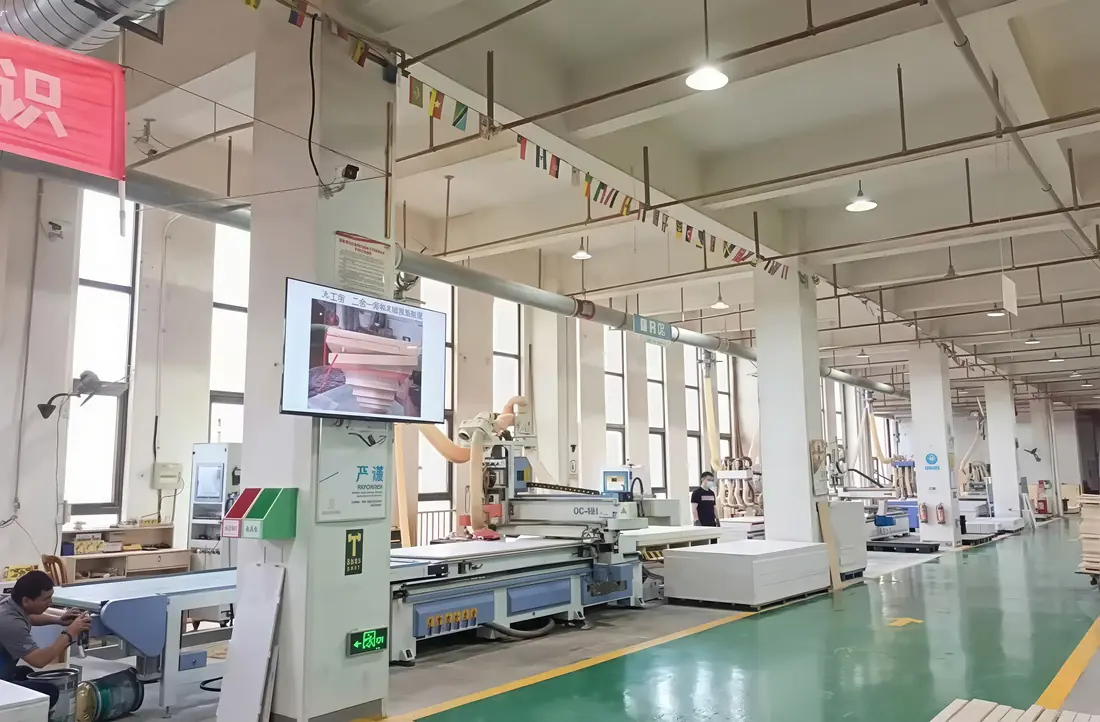
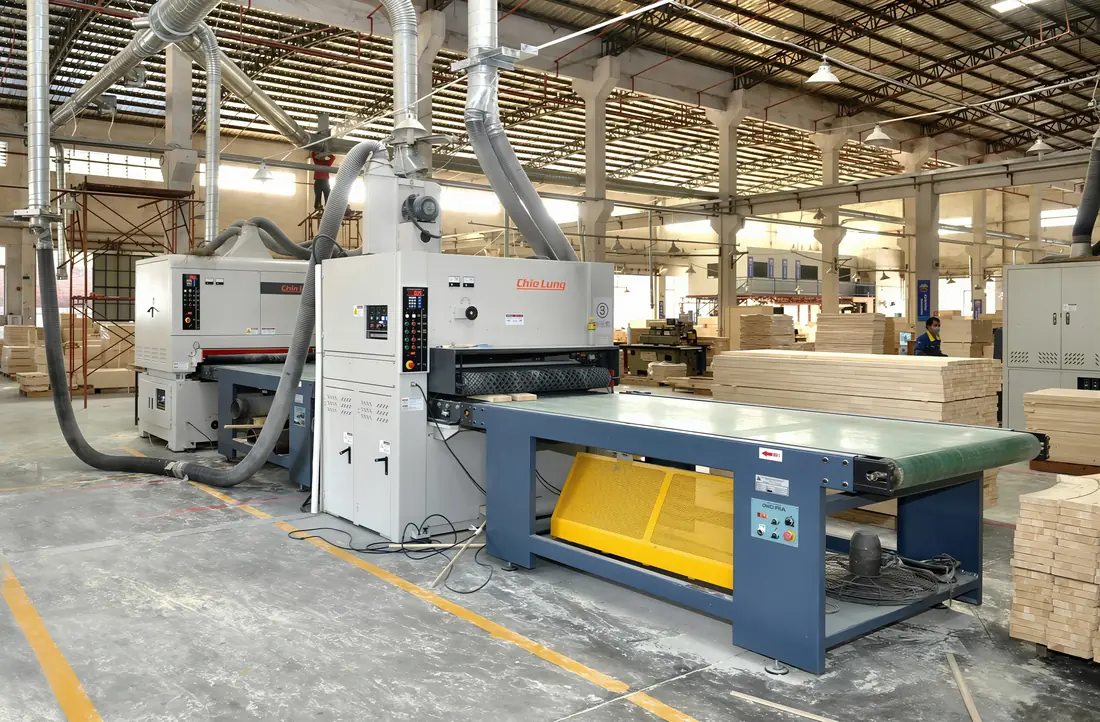
Hole locations and mating parts are checked against the approved drawing.
Fasteners, pivots and locking components are checked for correct quantity and fit.
The sample and production unit are reviewed in each approved configuration.
Mode-change instructions, hardware bags and component labels are verified before shipment.
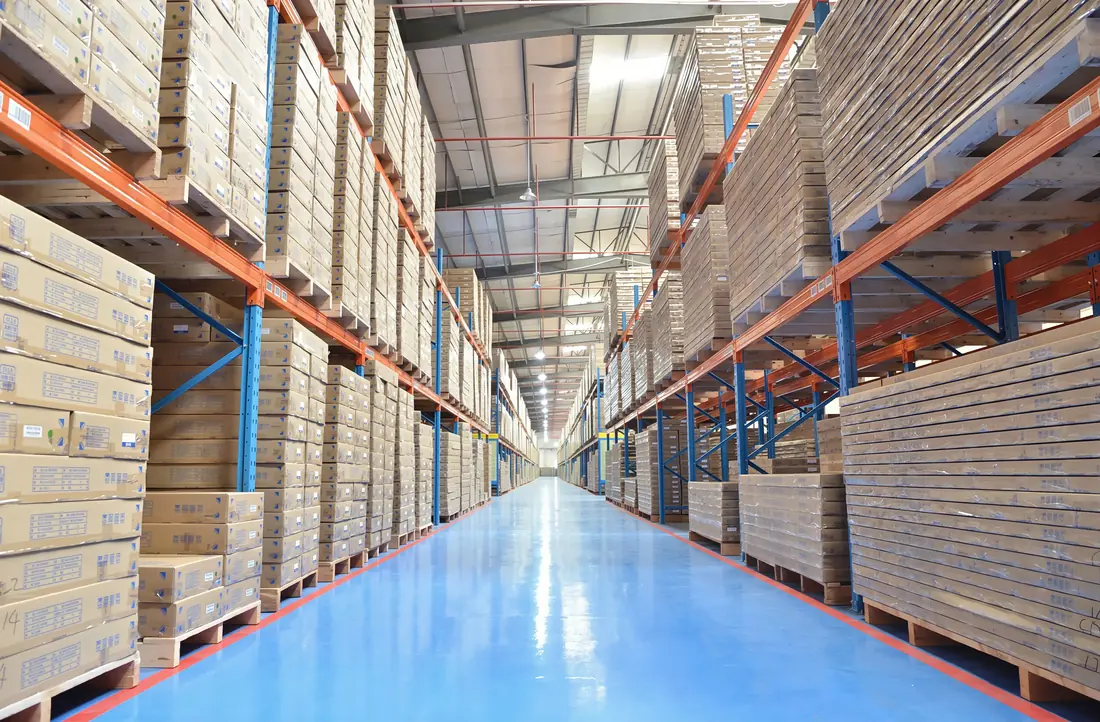
Convertible products may contain reversible panels, extra hardware or separate table and seat components. The carton plan must protect those parts and make the assembly and conversion sequence easy to understand.
Commercial terms and technical details are confirmed for the selected model, accessory list and destination market.
Available modes depend on the model. Current structures include tower-to-table, tower-to-seat and selected activity-panel configurations. The quotation states the exact approved modes.
No. The images represent different structures. Functions are confirmed only for the selected model and should not be combined without DFM and sampling.
Yes. KIVARO can review buyer-supplied engineering files for manufacturability, mechanism feasibility, materials, hardware, sampling and quotation.
The sample allows both parties to check fit, movement, stability, hardware access, finish clearance, mode-change steps and packaging before bulk production.
Hardware can be reviewed, but any change may affect hole positions, clearances, load paths and instructions. Revised DFM and sample approval are required.
The footprint and contact points are reviewed in every approved mode during sample assessment and production checks. Market-specific testing scope is confirmed separately.
Yes. KIVARO supports approved colors, logo methods, manuals, labels, hardware identification and branded carton artwork.
Send the required modes, drawings or reference product, target material, market and order quantity. KIVARO can propose a current model route or a DFM and sampling plan.